
 Spring
  Summer
  Autumn
  Winter
 The Gran Rû and the "rû" of the Aosta Valley: a heritage of water, landscape and community
Agosto
5:00 pm
A work of hydraulic engineering that bridges history and community
Origins and function
The Gran Rû is the largest of Courmayeur’s 31 historic irrigation channels, probably built between the 13th and 16th centuries. It drew water from the Dora di Ferret to irrigate, on the left bank, the then vast but arid grasslands that stretched between La Saxe and Courmayeur and, beyond the main town, between Courmayeur and Verrand.
The Route
The canal, whose intake was situated just above the Entrèves bridge, ran along the foot of Mont de La Saxe, crossed a road in the village of La Saxe and the Val Sapin stream, before continuing on to the Villair road. At Villa Raggio, it descended just behind the parish church, ran alongside the village and made its way through the meadows to the south as far as the Verrand stream, from where it continued along the Pré-Saint-Didier–Courmayeur road until it reached the meadows of Palleusieux.
The ‘rû’, true works of hydraulic engineering, were widespread throughout the Aosta Valley. Sources already attest to the presence of at least two ru from the end of the year 1000, but it was particularly during the 13th, 14th and 15th centuries that they were built throughout the valleys and in many of the region’s mountain pastures. These vital infrastructure projects had a profound impact on the agricultural, environmental and economic landscape of the Aosta Valley.
Conflicts and transformations
In the 18th century, the Gran Rû was at the centre of protracted disputes between Courmayeur and Pré-Saint-Didier over the sharing of water, a dispute that was only resolved in 1790 with an official settlement. In the centuries that followed, the canal was modified on several occasions and, in the 20th century, was partly replaced by iron and concrete pipes.
Decline
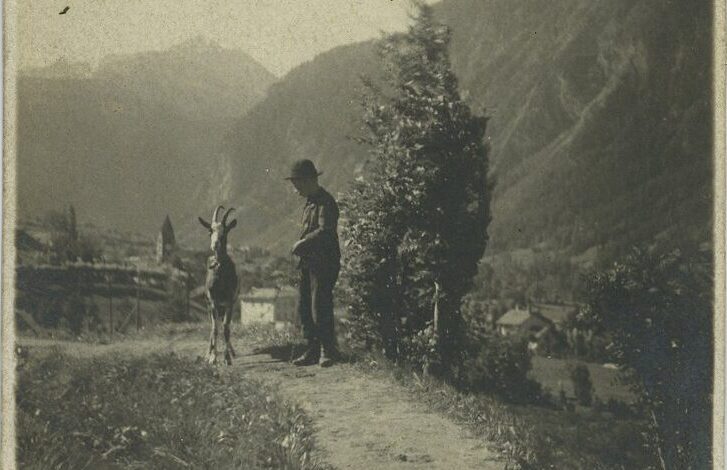
With the tourism boom of the 1960s and the abandonment of agricultural pastures, the Gran Rû gradually lost its function. It was covered over and largely erased from the landscape. Today, the irrigation canal is no longer in use, but it is still possible to follow its historic route.
Memory and Revitalisation
The Gran Rû lives on in the memories of the locals and in place names, such as Via del Gran Rû. Since 2022, the local council has restored the footpath that ran alongside it and, in 2025, rebuilt the wooden canal bridge over the Val Sapin stream, restoring dignity to a structure that tells the story of centuries of history, ingenuity and community life in the Aosta Valley.
The restoration of the Gran Rû wooden canal stems from the Courmayeur Climate Hub project (funded by the European Union’s Next Generation EU – PNRR Borghi M1C3 – CUP I74H22000050005 – Action Line 10: Sustainable Tourism Development Plan), with the specific aim of strengthening and promoting the identity of local communities and encouraging the dissemination of ‘historical memory’.
Other
Events
Theatre performance: FAGIOLI
An unmissable theatre performance by Giacomo Anderle and Alessio Kogoj, based on the famous English fairy tale ‘Jack and the Beanstalk’. A poetic and entertaining show that blends storytelling theatre,…
Discover more
Mont Blanc Burraco Tournament 1st edition
A pleasant evening of fun and socialising whilst taking part in the Burraco Tournament. Free to enter. Registration required: Franco 3495555469 - Serena 3389853728
Discover more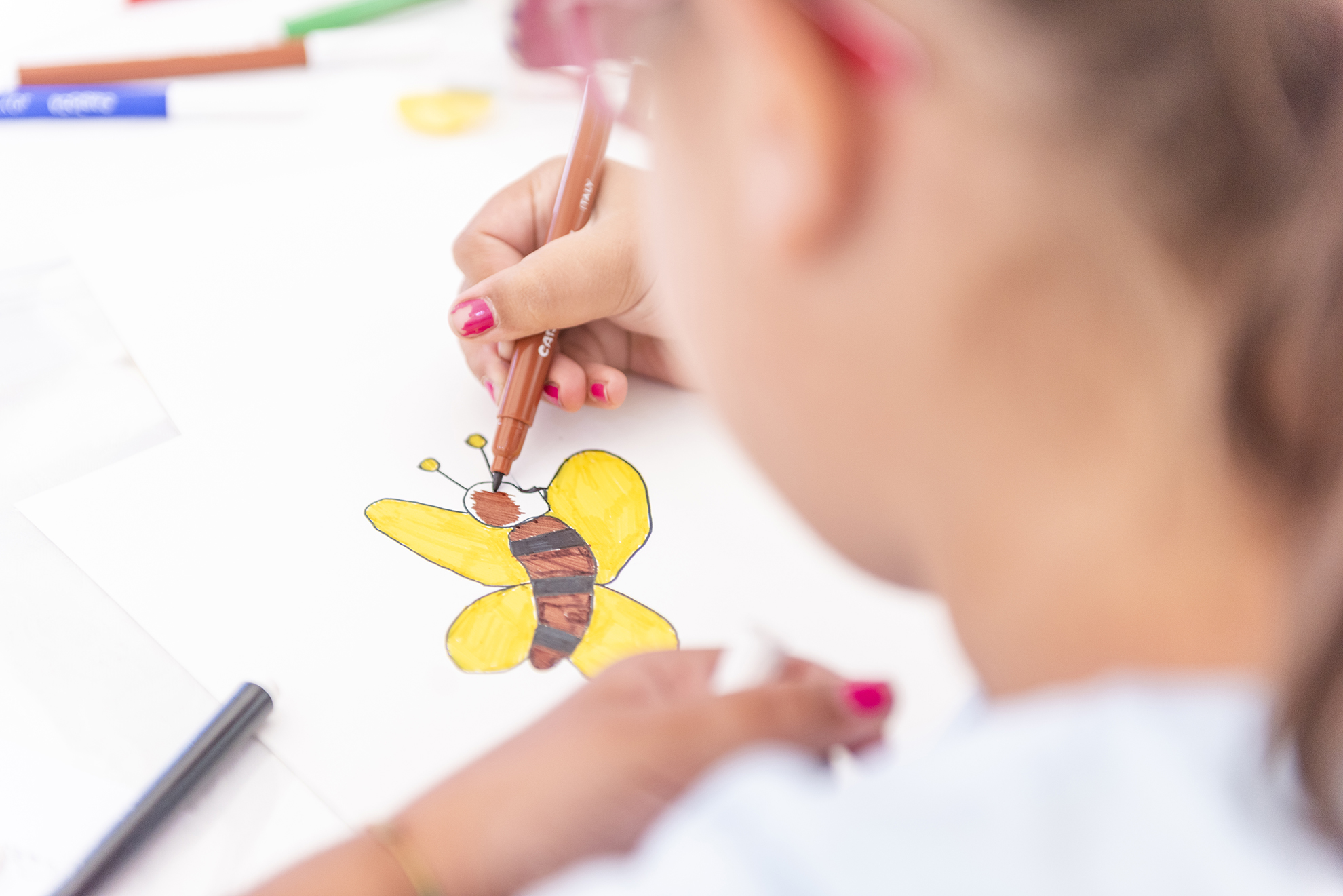
Kids&Junior: Colours in the mountains
A creative workshop dedicated to creating small watercolour landscapes inspired by nature.Children will paint woods, mountains, meadows and natural scenes, then finish their artwork with dried leaves and flowers to…
Discover more